
As I stood amidst the vibrant produce aisles of my local farmer’s market, the colors of fresh vegetables danced before my eyes, sparking an idea for a meal that is not just quick but also oh-so-nutritious. Enter the Quick and Colorful Healthy Sautéed Vegetables—a fantastic Sautéed Vegetables Side that transforms ordinary veggies into something extraordinary in mere minutes. This dish is perfect for anyone craving a wholesome boost, whether as a delightful side or a light main course. The beauty lies in its flexibility; you can tailor flavors to what you have on hand or to what’s in season, making it effortlessly customizable. Plus, it’s gluten-free and packed with vitamins, ensuring you’re making a nutritious choice for your meal prep. Ready to add a splash of color to your dinner plate today?
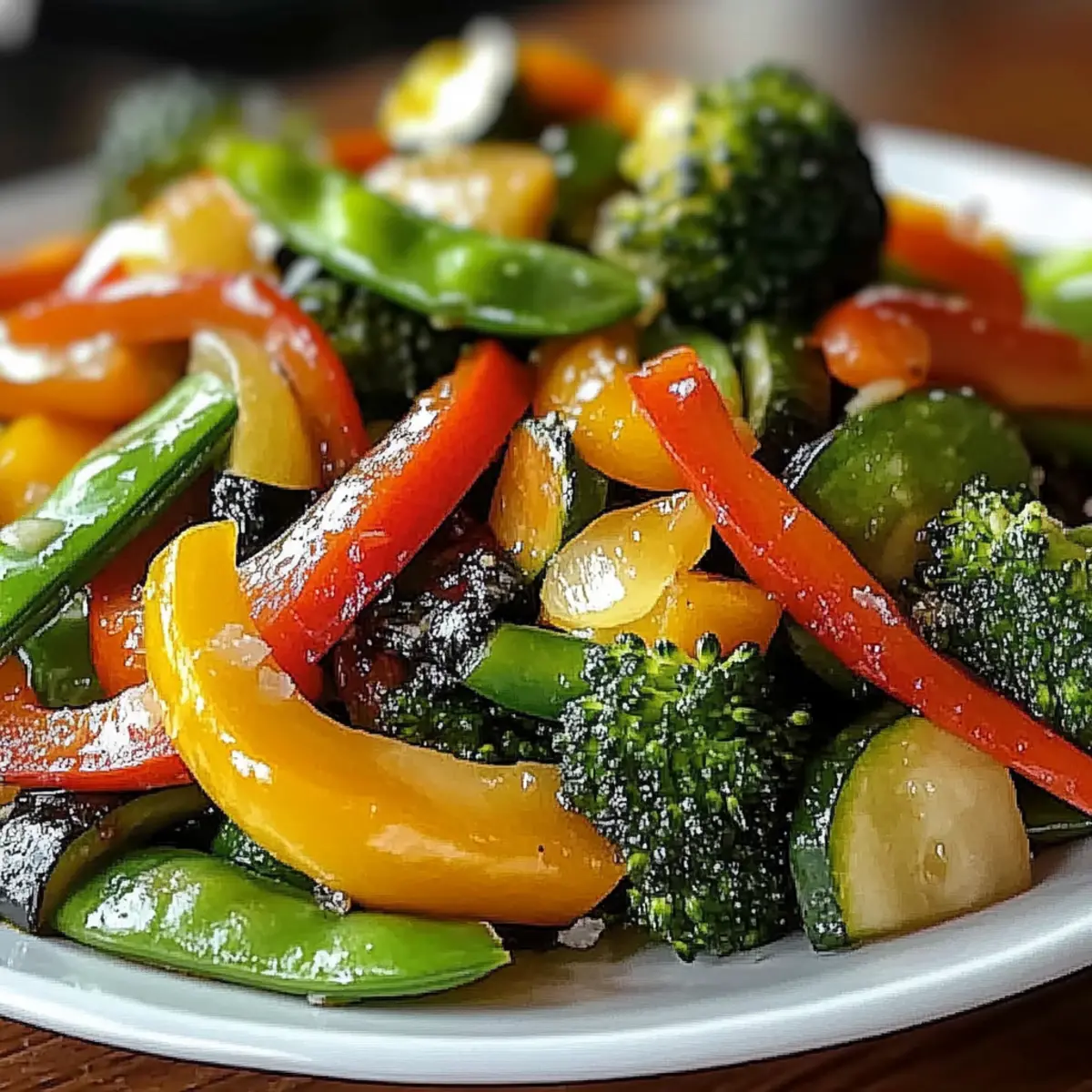
Why are Sautéed Vegetables a must-try?
Bright, Colorful Dish: These sautéed vegetables turn ordinary fare into a feast for the eyes, showcasing vibrant colors and inviting textures that will make your plate pop.
Quick and Easy: With a simple cooking process, this recipe is perfect for weeknight dinners, taking mere minutes from prep to plate.
Customizable Options: Whether you prefer seasonal veggies or want to use up leftovers, this dish adapts to your taste and pantry. For fresh flavor, consider pairing them with Zesty Chimichurri Garlic Bread as a delicious side!
Nutritious Powerhouse: Each bite is packed with essential vitamins and minerals, making it a wholesome addition to any meal.
Meal Prep Friendly: Prepare ahead of time and enjoy leftovers for a quick, nutritious addition to your lunch or dinner.
Sautéed Vegetables Side Ingredients
For the Sauté:
• Olive Oil or Avocado Oil – Adds healthy fat for sautéing; substitute with grapeseed oil for a unique flavor.
• Garlic (2 cloves, minced) – Imparts aromatic flavor; shallots make for a milder option.
• Onion (1 small, thinly sliced) – Provides sweetness and depth; leeks can serve as an alternative.
For the Veggies:
• Bell Pepper (1, sliced) – Adds vibrant color and sweetness; any sweet pepper variety can replace it.
• Zucchini (1, sliced into half-moons) – Gives moisture and crunch; yellow squash works as an excellent substitute.
• Broccoli (1 cup, florets) – Introduces earthiness; cauliflower is a great lower-carb substitute.
• Carrot (1 medium, julienned or thinly sliced) – Adds sweetness and color; parsnip may offer a different flavor profile.
• Snap Peas (½ cup) – Contributes sweetness and crunch; feel free to use green beans instead.
• Mushrooms (½ cup, sliced) – Delivers umami flavor; eggplant provides a satisfying textural alternative.
For Seasoning:
• Salt and Black Pepper – Essential for seasoning; adjust to taste for the perfect touch.
• Lemon Juice (1 teaspoon, optional) – Brightens the dish; balsamic vinegar offers a lovely alternative.
• Balsamic Vinegar or Soy Sauce (1 teaspoon, optional) – Adds depth; tamari is a good gluten-free option.
Optional Toppings:
• Fresh Herbs, Toasted Nuts, or Grated Parmesan – Enhance flavor and texture for your sautéed vegetables side; choose what suits your palate!
Step‑by‑Step Instructions for Sautéed Vegetables Side
Step 1: Prep Vegetables
Start by washing all your vegetables thoroughly. Peel the carrots if desired, then slice everything into uniform, bite-sized pieces. This ensures even cooking, allowing the vibrant colors and flavors of the sautéed vegetables side to shine through. Set aside your chopped veggies in a bowl and keep them handy for the next steps.
Step 2: Heat Pan
Place a large skillet over medium-high heat and pour in 2 tablespoons of olive oil or avocado oil. Allow the oil to heat for about 1-2 minutes until it’s shimmering but not smoking. This temperature is crucial for achieving that perfect sauté, as it will help lock in the flavors and textures of the vegetables you are about to add.
Step 3: Cook Aromatics
Add the minced garlic and thinly sliced onion to the hot oil. Sauté for 1-2 minutes, stirring frequently, until the onions become translucent and the garlic is fragrant. This step builds a flavorful base for your sautéed vegetables side, creating a delightful aroma that fills your kitchen and prepares your taste buds for the colorful dish to come.
Step 4: Add Harder Vegetables
Introduce the julienned carrots and broccoli florets to the skillet, stirring them in to coat with the oil. Sauté these harder vegetables for 3-4 minutes, allowing them to soften slightly while still retaining their crispness. This method ensures each bite of your sautéed vegetables side achieves the perfect balance of tenderness and crunch.
Step 5: Add Softer Vegetables
Next, toss in the sliced bell pepper, zucchini, mushrooms, and snap peas. Stir everything together and sauté for an additional 4-5 minutes until the vegetables are tender yet crisp. The vibrant colors should pop, and the flavors will meld beautifully, creating a delicious sautéed vegetables side that is both inviting and nutritious.
Step 6: Season
Sprinkle the sautéed vegetables side with salt and black pepper, adjusting the seasoning to your taste. For an extra layer of flavor, consider drizzling in some lemon juice or balsamic vinegar. Stir well to combine all the seasonings, ensuring each vegetable is infused with those bright and savory notes before serving.
Step 7: Finish & Serve
Remove the skillet from heat and give the sautéed vegetables a final toss to mix everything harmoniously. If desired, garnish with optional toppings like fresh herbs, toasted nuts, or grated Parmesan. Serve the vibrant sautéed vegetables side immediately to enjoy its optimal flavor and texture, either as a stunning side or a light main course.
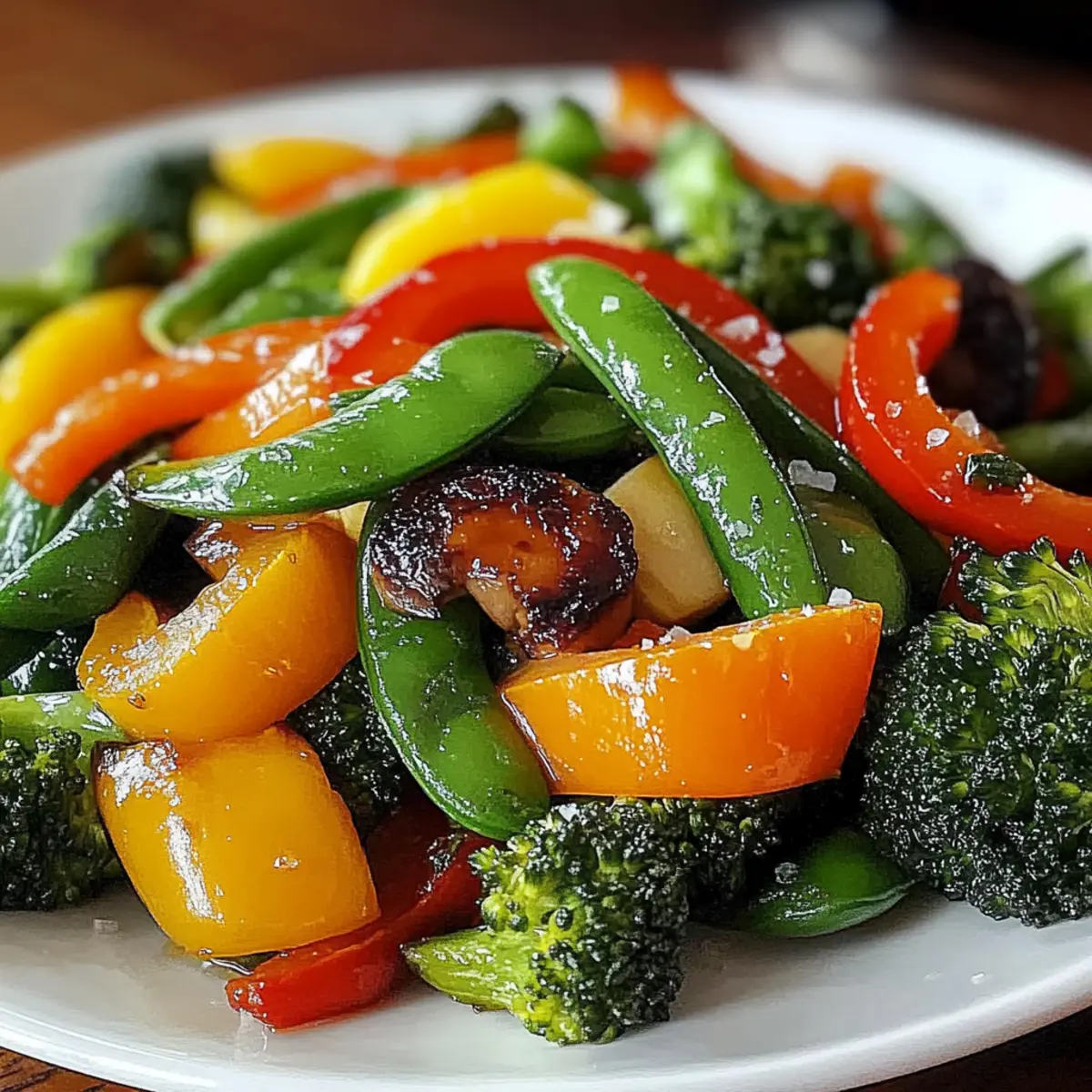
What to Serve with Quick and Colorful Healthy Sautéed Vegetables
Elevate your dining experience by pairing these vibrant sautéed vegetables with mouthwatering sides that enhance their flavors and textures.
- Fluffy Quinoa: The nutty flavor and light texture of quinoa perfectly complement the vegetables, providing a wholesome base for a nourishing meal.
- Savory Grilled Chicken: Juicy, seasoned chicken adds a satisfying protein element, making your plate full and delightful.
- Creamy Mashed Potatoes: The richness of creamy mashed potatoes contrasts beautifully with the crisp-tender veggies, creating a comforting balance of flavors.
- Arugula Salad: A fresh arugula salad brings peppery notes and a crunchy texture, highlighting the sautéed vegetables’ vibrant taste.
- Crispy Garlic Bread: Pairing with crispy garlic bread creates a delightful crunch and excellent flavor combination that makes every bite an indulgence.
- Zesty Chimichurri Sauce: Drizzling chimichurri sauce over the sautéed vegetables introduces a vibrant herbaceous flavor explosion, turning your dish into a gourmet experience.
- Chilled White Wine: Refreshing chilled white wine can enhance the meal’s earthy flavors, offering a sophisticated touch to your dining experience.
- Chocolate Mousse: End on a sweet note with a light chocolate mousse that cleanses the palate after the savory dishes, leaving you in a blissful state.
Sautéed Vegetables Side: Customize Your Dish!
Get ready to unleash your culinary creativity with these delicious variations, carefully crafted to elevate your sautéed vegetables into exciting new worlds of flavor and nutrition!
-
Dairy-Free: Omit Parmesan and sprinkle on nutritional yeast for a cheesy flavor that fits a dairy-free lifestyle.
-
Add Fresh Herbs: Towards the end of cooking, stir in fresh thyme, rosemary, or basil for an aromatic and fragrant finish. These vibrant herbs not only enhance the flavor but can also add a delightful pop of color!
-
Protein Boost: Toss in some cooked chicken, shrimp, or chickpeas to transform this side dish into a satisfying main course. This little addition packs a nutritious punch!
-
Spice It Up: Craving heat? Introduce a pinch of chili flakes or a dash of sriracha to awaken your taste buds. The kick can turn your sautéed vegetables from mild to wild!
-
Swap Vegetables: Feel free to substitute seasonal varieties or throw in sweet potatoes or butternut squash for a heartier, comforting dish. The magic of seasonal cooking brings freshness to your plate!
-
Flavor Infusion: Try swapping the balsamic vinegar for a splash of soy sauce or tamari for a savory umami twist, or a hint of sesame oil for a delightful nutty flavor. This can elevate the dish beyond the ordinary!
-
Veggie Medley: Combine your sautéed veggies with some sautéed greens like spinach or kale for added color, nutrition, and a different texture. It’s a great way to pack more greens into your meal.
-
Crunch Factor: Top with toasted almonds, sunflower seeds, or pumpkin seeds for added crunch and nutrition, making each bite a little surprise that enhances your meal even further. For an extra treat, consider pairing these veggies with a slice of warm Zesty Chimichurri Garlic Bread for an unforgettable dining experience!
Make Ahead Options
These Quick and Colorful Healthy Sautéed Vegetables are perfect for meal prep enthusiasts! You can chop all your vegetables up to 3 days in advance and store them in an airtight container in the fridge separately to maintain their crunch and vibrant colors. Simply prep your veggies by washing and slicing them ahead of time, then when you’re ready to cook, heat your oil and sauté the aromatics as usual. Add the harder veggies first, followed by the softer ones, and voilà! You’ll have a delicious sautéed vegetables side in no time, providing you with a nutritious meal option on even the busiest of days.
Expert Tips for Sautéed Vegetables Side
-
Use Fresh Veggies: Fresh vegetables not only taste better but also pack more nutrients. Look for vibrant colors and firm textures when choosing your ingredients.
-
Avoid Overcrowding: Sauté in batches if necessary. Overcrowding the pan can lead to steaming instead of sautéing, making your vegetables mushy.
-
Toss Regularly: Stir the vegetables frequently while cooking to ensure even exposure to heat, allowing for the perfect balance of tenderness and crispness in your sautéed vegetables side.
-
Season Gradually: Taste as you go! Start with a little salt and pepper, adding more as needed. This ensures you can adjust flavors according to your personal preference.
-
Customize Wisely: Don’t hesitate to mix and match veggies based on what’s seasonal or on hand. This flexibility not only adds variety to your meals but also keeps them fun and interesting!
How to Store and Freeze Sautéed Vegetables
-
Refrigeration: Leftover sautéed vegetables can be stored in an airtight container in the fridge for up to 3-4 days. Ensure they are completely cool before sealing for optimal freshness.
-
Freezing: For long-term storage, freeze portions of your sautéed vegetables side for up to 2 months. Spread them on a baking sheet to freeze individually before transferring to a freezer-safe bag.
-
Thawing: Thaw frozen vegetables overnight in the fridge before reheating. Alternatively, you can sauté them directly from frozen, just add extra cooking time until heated through.
-
Reheating: Reheat in a skillet over medium heat, adding a splash of oil if necessary to regain that delightful texture and flavor. Enjoy as a quick and nutritious addition to your meals!
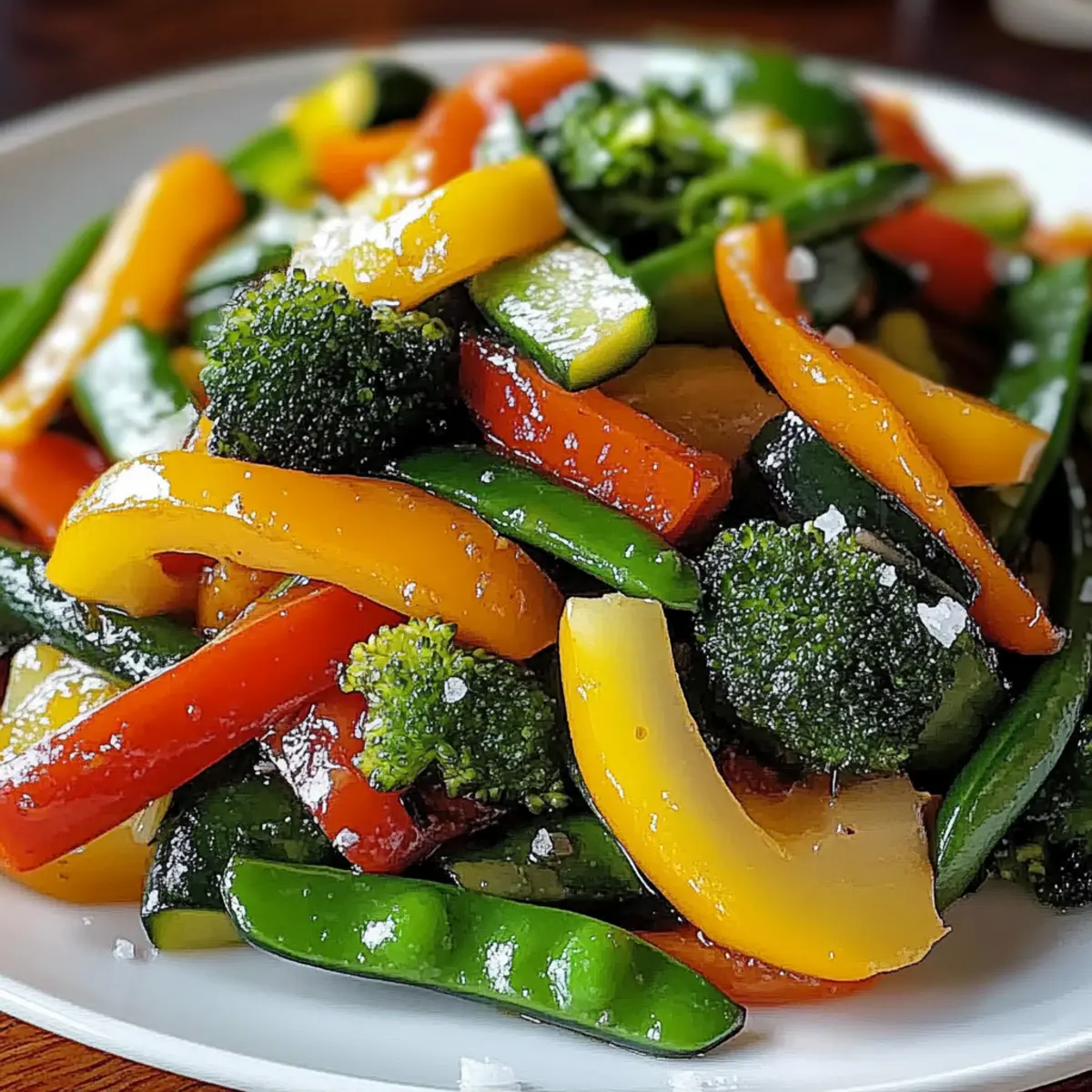
Sautéed Vegetables Side Recipe FAQs
How do I select the freshest vegetables?
Look for vegetables that have vibrant colors and firm textures without any dark spots or soft spots, as these indicate freshness. Seasonal produce is often the best choice, as it’s picked at its peak ripeness, delivering more flavor and nutrients!
What’s the best way to store leftovers?
Leftover sautéed vegetables can be safely stored in an airtight container in the fridge for up to 3-4 days. Make sure they are completely cool before sealing to maintain freshness.
Can I freeze sautéed vegetables, and if so, how?
Absolutely! To freeze sautéed vegetables, first spread them out on a baking sheet in a single layer and freeze until solid. Once frozen, transfer them to a freezer-safe bag or container. They can be stored in the freezer for up to 2 months. For reheating, you can either thaw them overnight in the fridge or sauté them straight from the freezer—just extend the cooking time until they are heated through.
What are some common mistakes when sautéing vegetables?
One of the most common mistakes is overcrowding the pan, which can lead to steaming instead of sautéing, resulting in mushy vegetables. Always give them enough space to cook evenly, and consider sautéing in batches if you have a large amount. Another tip is to allow the oil to heat properly before adding vegetables, which locks in flavor and ensures a nice sauté.
Are there any dietary considerations for sautéed vegetables?
Yes, sautéed vegetables can be made suitable for various dietary needs. They are naturally gluten-free and can easily be made dairy-free by omitting cheese or using nutritional yeast. Always check for allergies related to specific vegetables you use, and consider the cooking oils if anyone has sensitivities.
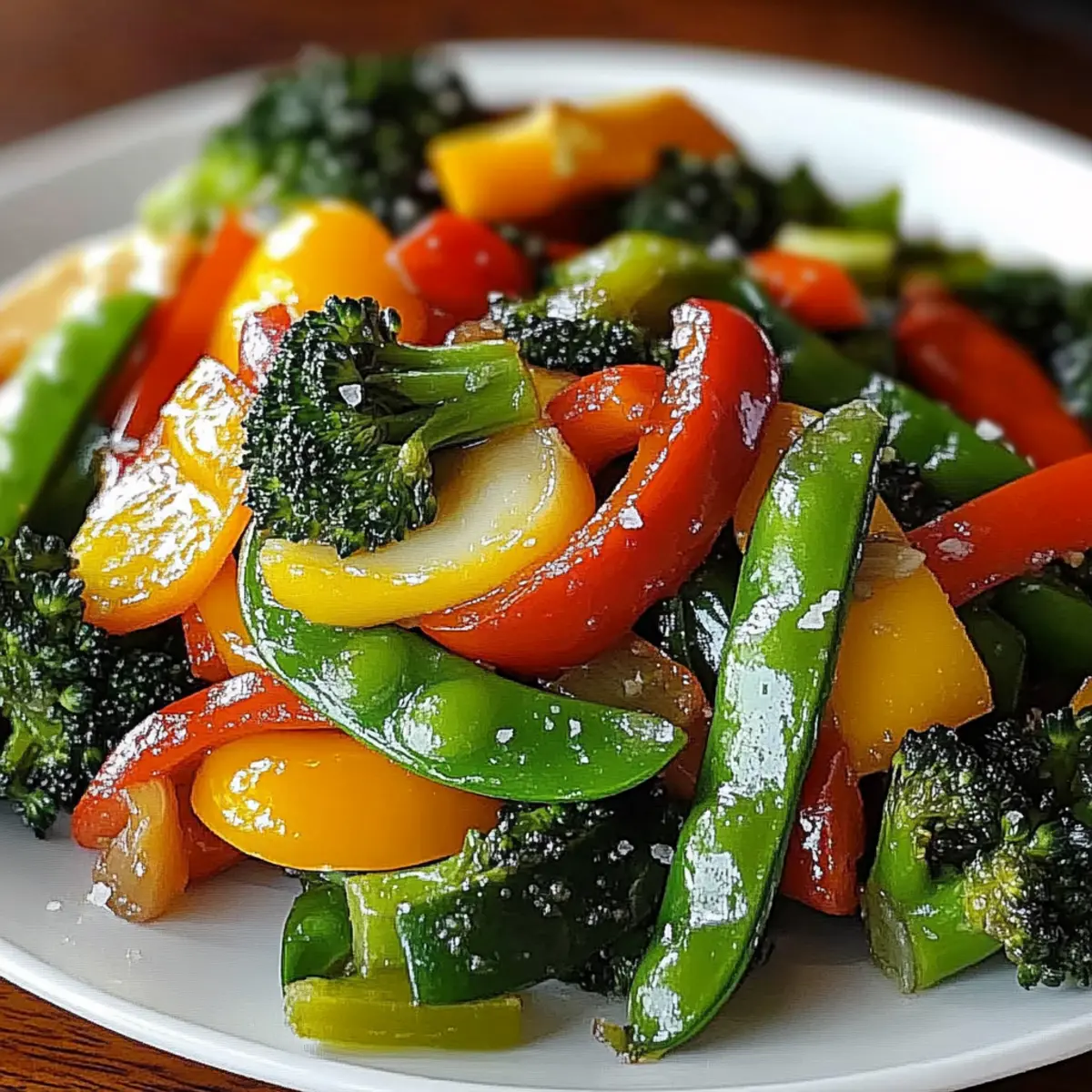
Sautéed Vegetables Side: Quick, Colorful, and Customizable!
Ingredients
Equipment
Method
- Start by washing all your vegetables thoroughly. Peel the carrots if desired, then slice everything into uniform, bite-sized pieces. Set aside your chopped veggies in a bowl.
- Place a large skillet over medium-high heat and pour in the oil. Allow the oil to heat for about 1-2 minutes until it's shimmering but not smoking.
- Add the minced garlic and thinly sliced onion to the hot oil. Sauté for 1-2 minutes until the onions become translucent and the garlic is fragrant.
- Introduce the julienned carrots and broccoli florets to the skillet. Sauté these for 3-4 minutes.
- Next, toss in the sliced bell pepper, zucchini, mushrooms, and snap peas. Stir and sauté for an additional 4-5 minutes until the vegetables are tender yet crisp.
- Sprinkle with salt and black pepper, adjusting to taste. For extra flavor, consider drizzling in some lemon juice or balsamic vinegar.
- Remove from heat and garnish with optional toppings. Serve immediately.
Leave a Reply