
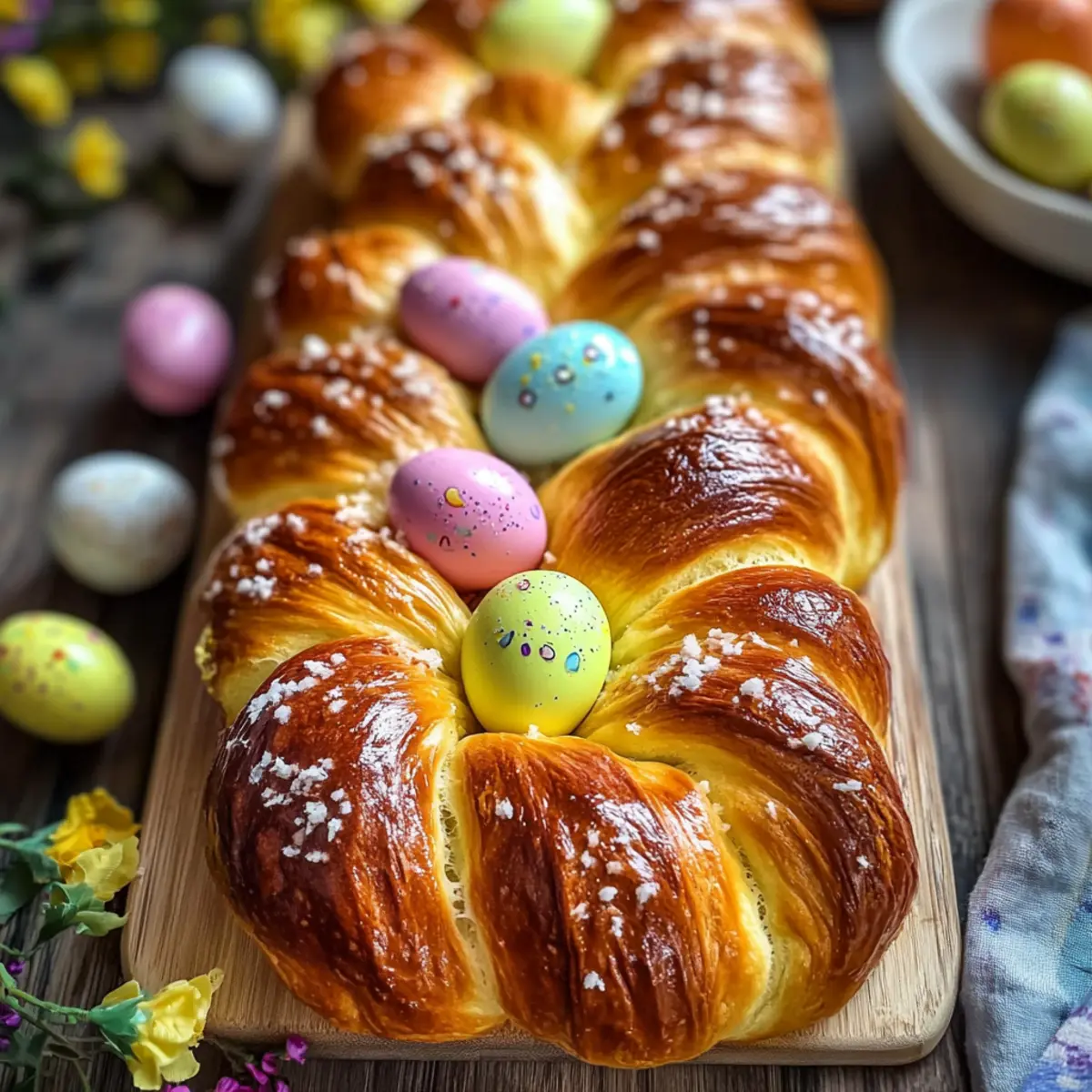
As the first petals of spring emerge, the enchanting tradition of making Traditional Italian Easter Bread fills the air with sweet anticipation. This delightful recipe, often adorned with vibrant dyed eggs, not only adds a stunning visual element to your holiday table but also represents the renewal of life and family unity. Easy to whip up and deeply rooted in history, this bread is perfect for anyone looking to elevate their Easter celebrations without spending all day in the kitchen. With its fluffy texture and subtle citrus aroma, it’s destined to become a cherished recipe you’ll return to year after year. Are you ready to make your own scrumptious centerpiece that will spark joy and warm hearts this Easter?
Why Is This Easter Bread a Must-Try?
Tradition at Its Finest: This Traditional Italian Easter Bread is steeped in cultural significance, making it a meaningful addition to your holiday celebrations.
Visual Appeal: The braided design, adorned with colorful dyed eggs, makes this bread a stunning centerpiece for your Easter feast.
Fluffy Texture: Each bite delivers a delightful fluffiness that melts in your mouth, complemented by a hint of citrus zest for added aroma.
Easy to Make: With simple ingredients and straightforward steps, this recipe is approachable for bakers of all skill levels.
Versatile Options: Whether you prefer traditional flavors or want to experiment with chocolate chips or fruits, this bread can be customized to suit your family’s taste.
Serve it warm with butter or jam, or share slices with loved ones alongside savory dishes—this bread is sure to be a hit! Want to explore more festive recipes? Check out Strawberry Swirl Cheesecake for a sweet addition to your table.
Traditional Italian Easter Bread Ingredients
• For the Dough
- All-Purpose Flour – Provides structure and texture; substitute with bread flour for a chewier result.
- Sugar – Adds sweetness and nourishes yeast; honey can be used as a natural alternative.
- Yeast – Leavens the bread for an airy texture; instant or active dry yeast work interchangeably.
- Eggs – Enrich the dough for flavor and texture; use flax eggs as a vegan option.
- Butter – Adds richness and moisture; coconut oil makes a good dairy-free substitute.
- Milk – Hydrates the dough and activates yeast; almond or soy milk works as a dairy-free alternative.
- Citrus Zest (e.g., lemon or orange) – Infuses fresh, aromatic flavor; can be omitted if desired.
• For the Decoration
- Dyed Eggs – Symbolize fertility and add a festive touch; ensure they are hard-boiled and dyed for safety and aesthetics.
If you’re looking to craft a Traditional Italian Easter Bread, these ingredients will guide you to create a delightful and visually captivating centerpiece for your holiday table!
Step‑by‑Step Instructions for Traditional Italian Easter Bread Recipe
Step 1: Make the Dough
In a small bowl, combine 1 cup of warm milk with 2 teaspoons of yeast and let it sit for about 10 minutes until foamy. In a large mixing bowl, combine 4 cups of all-purpose flour, ½ cup of sugar, 3 eggs, ½ cup of softened butter, and the zest of one lemon. Mix until well-combined, then knead the dough for about 10 minutes until smooth and elastic.
Step 2: First Rise
Once kneaded, place the dough in a greased bowl and cover it with a clean kitchen towel. Set the bowl in a warm location to rise for 1½ to 2 hours, or until the dough has doubled in size. Check for a puffed appearance and a smooth texture, indicating it’s ready.
Step 3: Shape the Bread
After the first rise, punch down the dough gently to remove excess air. Divide the dough into three equal pieces and roll each piece into long ropes, about 16–18 inches in length. Braid the ropes together, placing the beautifully braided dough in a greased baking pan, shaping it into a circle or oval for a festive look.
Step 4: Prepare for Baking
Preheat your oven to 350°F (175°C). Gently press the colorful dyed eggs into the braided dough, arranging them evenly throughout. Cover the pan with a kitchen towel and let it rise again in a warm area for about 30 minutes, until the dough appears puffy and well-risen.
Step 5: Bake
Once the second rise is complete, brush the top of the dough with an egg wash made from a beaten egg mixed with a splash of water. Bake the Traditional Italian Easter Bread in the preheated oven for 25 to 30 minutes. The bread is ready when it turns a beautiful golden brown and sounds hollow when tapped on the bottom.
Step 6: Cool & Serve
Remove the bread from the oven and let it cool in the pan for 10 minutes. Then, transfer it to a wire rack to cool completely before slicing. This Traditional Italian Easter Bread, enhanced by the vibrant eggs and sweet citrus aroma, is perfect for sharing with family and friends during your festive celebrations.

How to Store and Freeze Traditional Italian Easter Bread
Room Temperature: Store the bread in an airtight container at room temperature for up to 3 days to maintain its softness and flavor.
Fridge: While unnecessary, if you prefer refrigeration, wrap the bread tightly in plastic wrap to prevent drying, and consume it within 5 days.
Freezer: To prolong freshness, freeze slices individually wrapped in plastic, then foil. They can be stored for up to 3 months without losing flavor.
Reheating: Reheat slices in a toaster or microwave for a few seconds, or in a warm oven, to revive their fluffy texture before serving.
Make Ahead Options
These Traditional Italian Easter Bread are perfect for meal prep, allowing you to enjoy the joys of baking while saving time during the busy holiday season. You can prepare the dough up to 24 hours in advance; simply follow the instructions, stop after the first rise, and refrigerate the dough in an airtight container. When ready to bake, let the dough come to room temperature before shaping and proceeding with the second rise. Additionally, you can boil and dye the eggs ahead, storing them in the refrigerator for up to 3 days. Just remember to press them into the dough right before the second rise. With these prep options, you’ll be left with a delicious and beautiful bread, perfect for sharing, while keeping your kitchen blissfully organized.
What to Serve with Traditional Italian Easter Bread
Enhance your festive meal with delightful pairings that complement the sweet, fluffy nature of this beloved bread.
- Creamy Mashed Potatoes: Their rich creaminess often provides a beautiful balance to the sweetness of the bread.
- Fresh Green Salad: A crisp salad with a tangy vinaigrette contrasts well, cleansing the palate between bites.
- Honey Butter: Spread this luscious mix over warm slices for a sweet and indulgent experience your family will adore.
- Deviled Eggs: Incorporating a traditional Easter element, these savory bites are delicious and create a lovely aesthetic.
- Roasted Vegetables: The earthy, caramelized flavors of seasonal veggies harmonize perfectly with the bread’s fluffy texture.
- Cheese Platter: Add a variety of cheeses for a fantastic savory complement; think creamy brie or sharp cheddar to create a delightful tasting experience.
- Italian Wine: A light, fruity Prosecco or a bubbly white wine enhances the overall atmosphere, making your Easter celebration feel extra special.
- Fruit Tart: Finish your meal on a sweet note with a colorful fruit tart that mirrors the vibrancy of dyed eggs on the bread.
Traditional Italian Easter Bread Variations
Feel free to get creative with this delightful bread and make it your own!
-
Dairy-Free: Substitute milk and butter with almond milk and coconut oil to make this recipe dairy-free.
Transforming your bread not only ensures everyone can enjoy it, but it still retains that luscious texture. -
Vegan Option: Swap eggs with flax eggs (1 tablespoon of flaxseed meal + 2.5 tablespoons of water per egg) for a vegan-friendly twist.
This way, you can embrace tradition while staying true to your vegan lifestyle! -
Citrus Variety: Experiment with different zests such as lime or grapefruit for a unique flavor profile.
A hint of lime can brighten the bread, adding a fresh and zesty kick that’s perfect for spring! -
Sweet Add-ins: Mix in chocolate chips or dried fruits like raisins or cranberries for a delightful surprise in your loaf.
These additions can give your bread a burst of sweetness, making every bite a new adventure. -
Toppings Galore: Drizzle a flavored icing or sprinkle chopped nuts on top for extra flair.
A subtle vanilla glaze could take your bread to new levels of sweetness while adding a beautiful shine! -
Herb Infusion: For a savory twist, incorporate herbs like rosemary or lavender into the dough.
Infusing herbal notes creates a wonderfully aromatic bread that pairs beautifully with savory dishes. -
Glazed Delight: Brush your finished bread with a simple syrup after baking to add shine and sweetness.
This finishing touch not only enhances presentation but also enriches flavor, making it irresistible.
Explore these variations to find your family’s favorite style, and consider serving your Traditional Italian Easter Bread alongside a slice of Alfredo Garlic Bread for a delicious Italian feast. Happy baking!
Expert Tips for Traditional Italian Easter Bread
• Measure Carefully: Use a kitchen scale to measure flour by weight for accuracy; about 500g equates to approximately 4 cups, preventing dryness.
• Optimal Rising: Create a warm environment during the first rise. An unwarmed oven or a sunny spot helps your dough rise without cracking.
• Dough Length: When shaping the ropes, aim for 16–18 inches to ensure they braid neatly and look festive. Adjust if necessary for an even appearance.
• Dyed Eggs: Always use hard-boiled and dyed eggs for decoration to maintain safety and help them hold their shape beautifully throughout baking.
• Flavor Variations: Feel free to experiment with unique citrus zests or additions like chocolate chips or dried fruits to customize your Traditional Italian Easter Bread.

Traditional Italian Easter Bread Recipe FAQs
How do I select the right eggs for decorating the bread?
Absolutely! For the best results, choose fresh eggs for boiling and dyeing. Look for eggs with no cracks or dark spots all over the shell. Hard-boil them before dyeing to ensure they hold their shape during baking.
What’s the best way to store leftover Easter Bread?
To keep your bread fresh, store it in an airtight container at room temperature for up to 3 days. If you want to keep it longer, wrap the slices individually in plastic wrap and then in foil before freezing, where they can last up to 3 months.
Can I freeze the Traditional Italian Easter Bread?
Yes, you can! To freeze, slice the bread and wrap each slice tightly in plastic wrap. Then, place the wrapped slices into a freezer bag or an airtight container so they stay fresh. When you’re ready to enjoy, just reheat them in a toaster or warm oven.
What do I do if my dough doesn’t rise?
If your dough isn’t rising, it’s often due to the yeast not being active. Ensure your milk is warm (but not hot) when mixing with the yeast, as temperatures above 120°F (49°C) can kill it. Also, check the expiration date on your yeast. If it’s fresh but still inactive, your dough may need a warmer environment—a great tip is placing it in a slightly warm oven.
Are there any dietary considerations for this recipe?
Indeed! This Traditional Italian Easter Bread contains gluten, eggs, and dairy. For a vegan alternative, swap the eggs for flax eggs (1 tablespoon ground flaxseed mixed with 2.5 tablespoons of water = 1 egg) and replace butter with coconut oil. Ensure that any dye used for the eggs is food-safe.
What if I want to add extra flavor to the bread?
Very! You can incorporate different flavored zests, such as lime or grapefruit, into the dough for a unique twist. Additionally, adding chocolate chips or dried fruits like cranberries enhances the sweetness and texture of your Traditional Italian Easter Bread.

Deliciously Festive Traditional Italian Easter Bread Recipe
Ingredients
Equipment
Method
- In a small bowl, combine 1 cup of warm milk with 2 teaspoons of yeast and let it sit for about 10 minutes until foamy.
- In a large mixing bowl, combine 4 cups of all-purpose flour, ½ cup of sugar, 3 eggs, ½ cup of softened butter, and the zest of one lemon. Mix until well-combined, then knead the dough for about 10 minutes until smooth and elastic.
- Place the dough in a greased bowl and cover it with a clean kitchen towel. Set the bowl in a warm location to rise for 1½ to 2 hours, or until the dough has doubled in size.
- After the first rise, punch down the dough gently to remove excess air. Divide the dough into three equal pieces and roll each piece into long ropes, about 16–18 inches in length. Braid the ropes together, shaping it into a circle or oval.
- Preheat your oven to 350°F (175°C). Gently press the colored dyed eggs into the braided dough, arranging them evenly. Cover the pan with a kitchen towel and let it rise again for about 30 minutes.
- Brush the top of the dough with an egg wash made from a beaten egg mixed with a splash of water. Bake for 25 to 30 minutes until golden brown and sounds hollow when tapped on the bottom.
- Remove the bread from the oven and let it cool in the pan for 10 minutes. Transfer to a wire rack to cool completely before slicing.
Leave a Reply